

The True Crime Craze, and the Ethics Behind the Genre
Updated: Jan 14, 2025
True crime is a nonfiction genre that includes, “literature, film, podcasts, etc. that depicts and examines real crime cases.” In recent years, however, it has exploded in popularity in the form of social media content, podcasts, books, film, and television.
Murder and crime have always been an object of human fascination from the Middle Ages to the now twenty-first century. Lawbreakers have always existed since the beginning of time. However, true crime first emerged as a genre in 1600s England. Henry Goodcole, who was an English prison chaplain, started writing stories about dark topics like death and sin. Goodcole began going to the infamous London’s Newgate prison, being stationed there to attend to the prisoner’s spiritual well-being. He saw an opportunity to make money and began writing pamphlets about the inmates in the prison, dramatizing their crimes. Other publications at the time wrote about murder and crime as hot topics as well.

However, in the 20th century, true crime saw a rise in popularity in the USA. Assassinations of public figures like Martin Luther King, Malcolm X, and John F. Kennedy increased public interest in the mindset behind murder. Serial killers like Ted Bundy, the Zodiac Killer, and Charles Manson all gained mainstream attention and fame for their carnage, including the serial killer who was the first to gain a lot of attention, Jack the Ripper. The visibility of crime in the media went up and up as television became more popular, and film coverage of court cases rose. The first modern true crime novel, In Cold Blood, was published by Truman Capote in 1965 and further satiated the public’s thirst for stories of sensationalized killings. Fictional stories involving murder mysteries also further increased the mainstream’s obsession with the suspenseful story of a “whodunnit”.
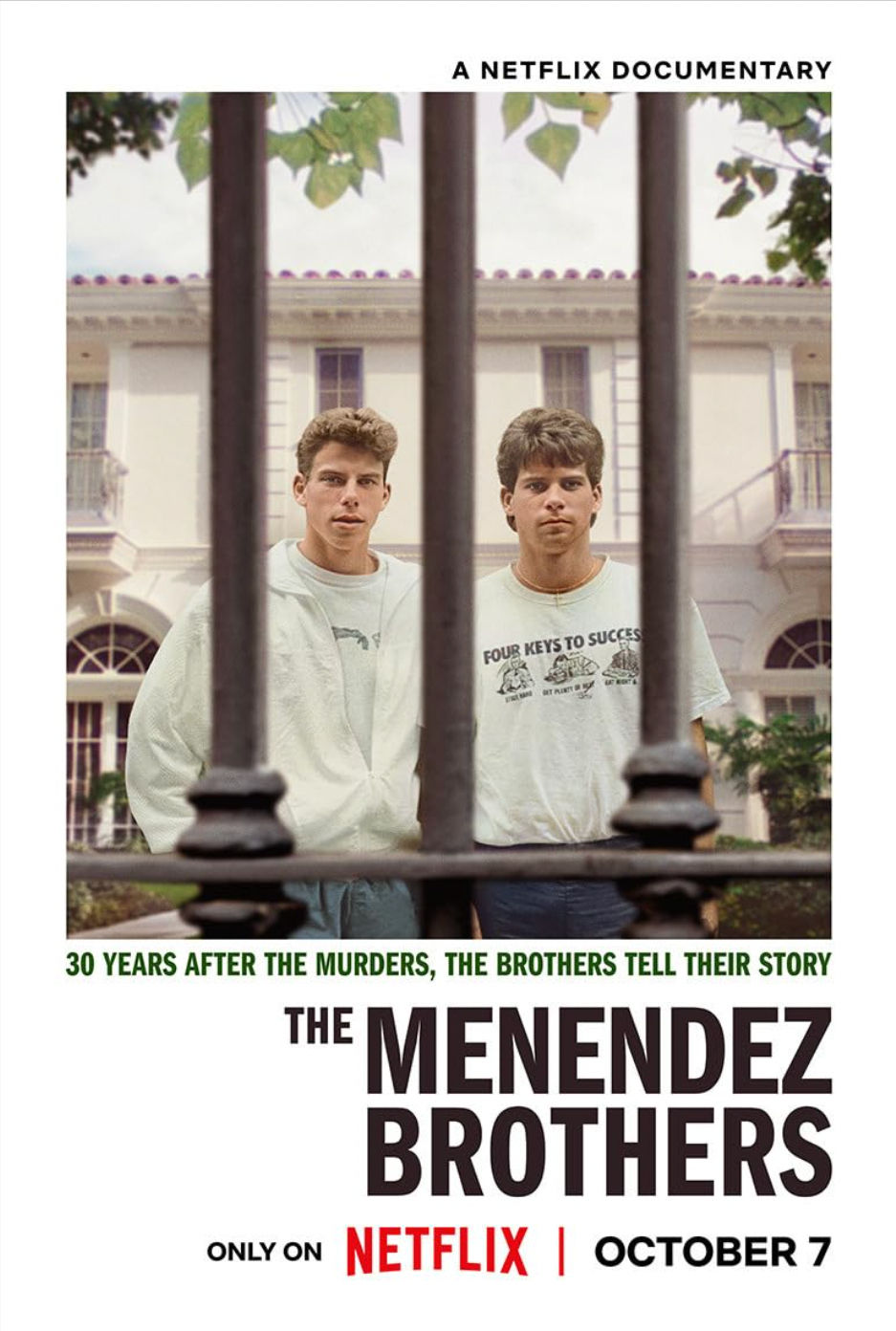
In the present, there is more true crime content coming out than ever. This generation’s especially more sympathetic and bemused view of our world has helped to spark interest in cases like the Menendez Brothers and Gypsy Rose’s. Gypsy-Rose got released from prison last year and it prompted a rather bizarre and unserious media frenzy, where she was almost being treated like a celebrity. Netflix just released their second installment of the anthology series, Monsters, which depicts the story of the Menendez brothers and there is another documentary titled The Menendez Brothers which has come out on Netflix as well. The push for Lyle and Erik Menendez to be exonerated has been greater than ever and many people are speaking out on behalf of them, advocating for their release. The public is more obsessed than ever with all things true crime. But why?
The University of North Carolina at Chapel Hill states that some of the reasons could be, “the motivations of the criminals, concerns about justice and the legal system and the thrill of solving a real-life whodunnit.”
Humans are curious and nosy creatures, and they can be easily intrigued by true crime. They’re not just fictional stories but they are things that happened in the real world and to real people. The mystery and gruesome nature of it all is interesting and even entertaining to most. They think, how could this happen to an actual person? Who would do it and why? This is especially applicable when it comes to serial killers and the way that their own twisted minds work which has become a very big interest of mainstream media. Our society in general has an obsession with the way that people became the way they are, their backstory and what drove them to do the things that they did. People also may also engage with true crime as a way of educating themselves or preparing themselves for something that could happen in their own lives. BBC Science Focus explains that, “we instinctively want to discover the ‘who’, ‘what’, ‘when’ and ‘where’ so we can find out what makes criminals tick, and to better protect ourselves and our kin.”

But when does the true crime genre start to cross the line a little bit ethically? It starts when true crime is no longer true. Movies and TV shows especially that are coming out these days are sensationalized and dramatized versions of the actual crimes committed. They are played up by the writers so that they can seem more interesting, attracting viewers looking for a more brutal watch. Often, people who did horrible things can often, rather than being shown in a more nuanced light, can be simplified to a sympathetic villain. They may also be simplified to a commodity, not a person who hurt real people, but a headline (even a brand for themed merchandise, which is beyond insane).
The portrayal of true crime in film specifically can also have a deep effect on the people who have been most triggered by the person’s actions: the victim’s family and friends. In the TIME article, “ ‘Real People Keep Getting Re-traumatized.’ The Human Cost of Binge-Watching True Crime Series”. “ ‘It haunts our life, this book,’ says Clark, who spotted the paperback while browsing online. . .The cover image sent her spiraling: a tiny blue wren—her mother’s favorite bird—perched on the handle of a rusty knife. ‘I realized it’s about my murdered family,” she says. “It just shattered me.’. ‘We’re treated as fodder,’ Clark adds. ‘We’re fuel for people’s fascination.’ “. It can have a deep emotional effect on people who have been hurt and traumatized by these crimes, especially when the people behind these productions insist on painting these figures as not murderers but sympathetic figures who turned to murder. Nuanced characters in stories are important, but these people are not characters, they are real and caused real damage. They are not cartoon villains, they’re human beings who did terrible things to others. The industries profiting off of true crime often ignore that reinvigorating public interest around the story can cage the victims’ families and friends back into their trauma as they are constantly being bombarded by reminders of their loved one’s death.
Using people and their stories, especially stories of traumatic events, as entertainment is a twisted concept. Yes, true crime is an interesting and popular genre that can bring exposure to the discrepancies in the criminal justice system, but at what point does entertainment become unethical? Profiting and telling stories of real people who were killed or caused pain by real people has immoral undertones to it, especially when you are dramatizing, exaggerating or altering their experience for money. It is a messed up standard where the public is so thirsty for stories of murder and crime that they disregard the humanity of it all and just start viewing everything a part of true crime as a story, and not an experience someone had.
Overall, with the rise of the true crime genre coming into public consciousness and the mainstream, it’s important to exercise sensitivity when consuming that content or even just speaking about it. These aren’t bits of fantasy or fiction, they are literal crimes. These aren’t just stories or bits of entertainment, they are realities that impact people’s lives.
Sources
McCormack, Joshua. “Why Are We Fascinated by True Crime?: UNC-Chapel Hill.” The University of North Carolina at Chapel Hill, 25 Jan. 2024, www.unc.edu/posts/2024/01/11/why-are-we-fascinated-by-true-crime/.
“Why Are We so Obsessed with True Crime?” BBC Science Focus Magazine, www.sciencefocus.com/the-human-body/why-are-we-so-obsessed-with-true-crime. Accessed 4 Nov. 2024.
Chan, Melissa. “The Human Cost of Binge-Watching True Crime Series.” Time, Time, 24 Apr. 2020, time.com/5825475/true-crime-victim-families/.
Photos:
“Monsters.” IMDb, IMDb.com, 21 Sept. 2022, www.imdb.com/title/tt13207736/.
“The Menendez Brothers.” IMDb, IMDb.com, 7 Oct. 2024, www.imdb.com/title/tt33481094/?ref_=tt_mv_close.


